

Regenerative To-Dos for a Healthy, Resilient Summer Garden
July in the Garden
Summer is here, and the garden is moving fast. Regenerative gardening means growing in a way that restores soil health, supports biodiversity, and helps the garden renew its soil time. July is a great time to stay proactive with simple, regenerative practices that keep weeds under control, reduce pest pressure, and support strong, healthy plants without resorting to harsh interventions.
July garden to-dos
Mulch bare soil. Add compost, straw, shredded leaves, or grass clippings around crops to suppress weeds, hold moisture, and protect the soil surface.
Weed early and often. Pull or hoe weeds while they are still small, before they have a chance to flower and set seed.
Water deeply and less often. Aim for fewer, longer watering sessions so roots grow deeper and plants become more resilient.
Check under leaves. Look for signs of pests like aphids, cabbage worms, or squash bugs, and remove them early before they spread.
Harvest frequently. Keep up with beans, cucumbers, zucchini, herbs, and other fast-growing crops to encourage continued production.
Trim diseased leaves. Remove damaged or yellowing foliage to improve airflow and reduce the spread of problems.
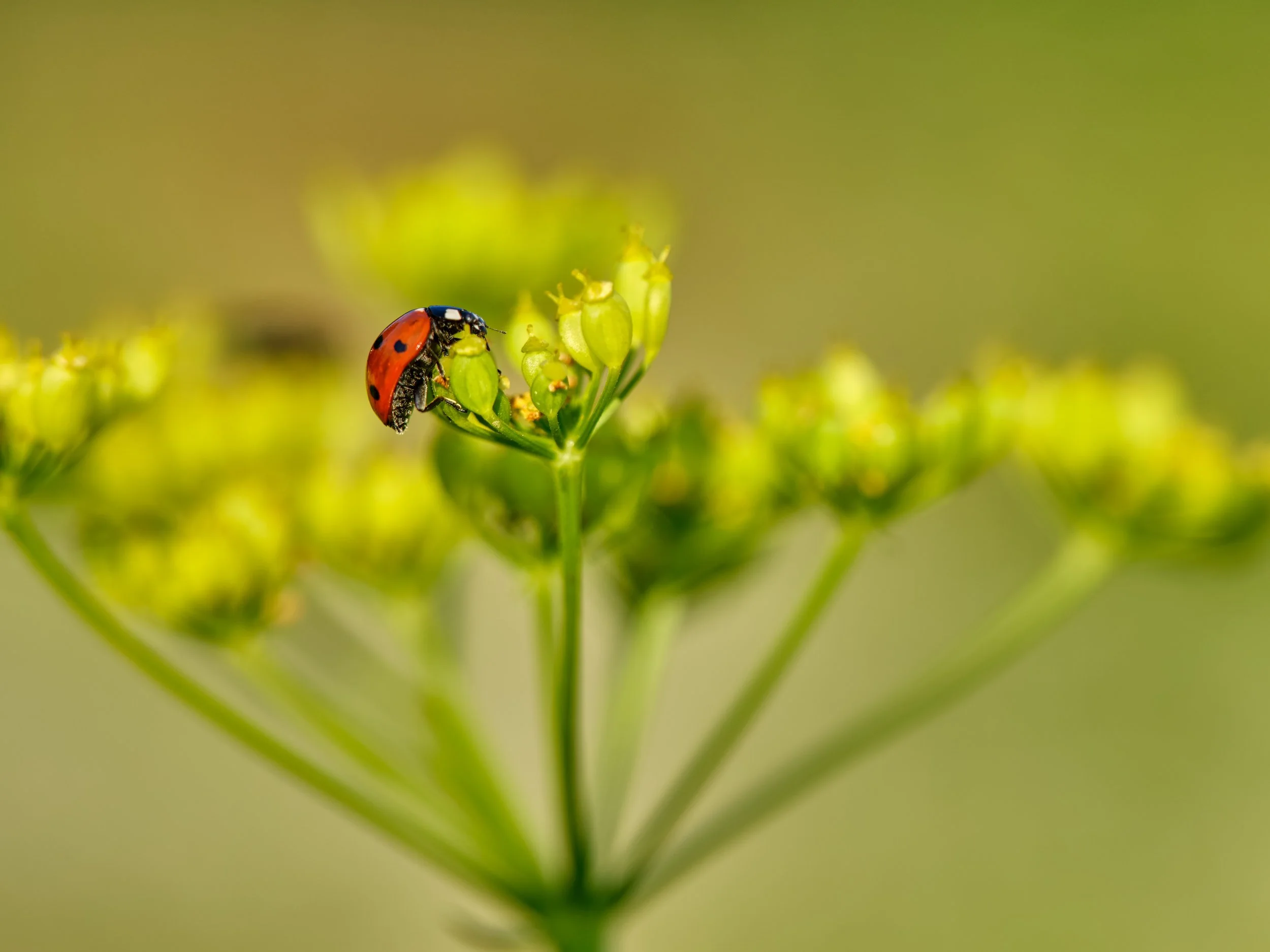
Support beneficial insects. Let flowering herbs, native plants, and companion blooms do their work by attracting pollinators and predatory insects.
Weed and pest control…naturally
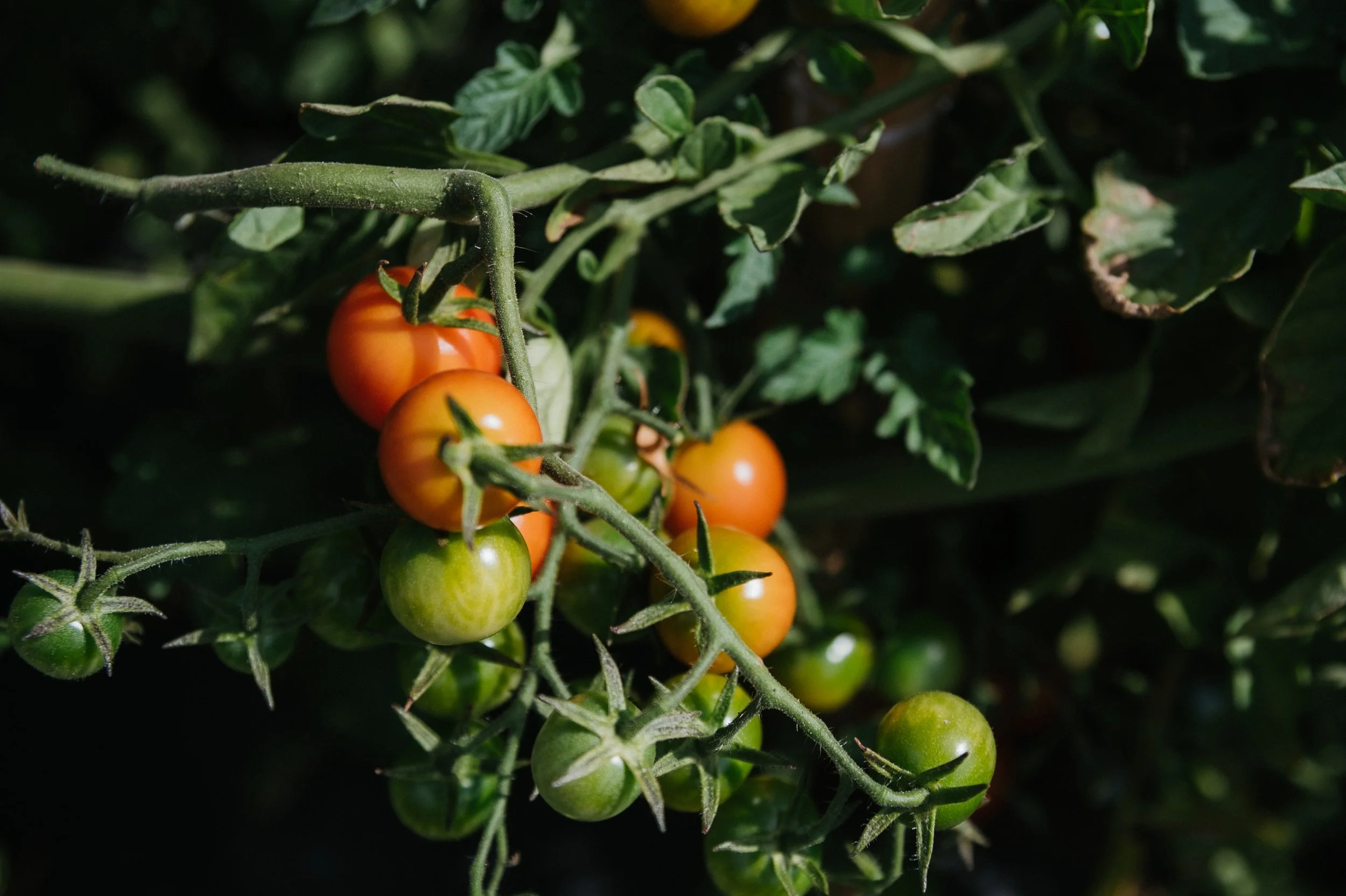
One of the best ways to manage weeds is to keep them from getting established in the first place. In a regenerative garden, that means covering soil, disturbing it as little as possible, and filling open space with living roots or mulch whenever we can.
For pest control, diversity is your friend. Crop rotation, interplanting, row covers, and healthy soil all help create a more balanced garden where pests are less likely to take over. The goal is not to eliminate every insect, but to create conditions where plants can thrive and beneficial insects can do their job.
What to do in zone 6b in July
Here in the Finger Lakes, July is a month for maintenance, succession, and planning ahead for fall.
Sow quick crops for late summer harvests. Sow carrots, beets, bush beans, cucumbers, basil, dill, and fast-maturing greens wherever you have open space.
Start fall crops indoors or in a shaded spot. Broccoli, kale, cabbage, and other cool-season crops can be started now for transplanting later.
Keep an eye on watering. July heat can dry soil quickly, so newly planted seeds and transplants may need extra attention.
Deadhead and prune as needed. Remove spent flowers on herbs and ornamentals to keep plants productive and tidy.
Watch for heat stress. If plants are wilting in the afternoon but recovering at night, that’s just their natural defense against the heat! Check their soil - if it’s dry, water deeply; if it’s damp, let them do their thing.
Stay ahead of weeds after rain. Warm soil and summer moisture can trigger a big flush of weeds, so quick action pays off. Getting them when they are young is the key to a healthy garden.
Plan your fall garden now. By mid-to-late July, it’s time to think about autumn planting so you can keep the harvest going into cooler weather.
Growing with nature
The beauty of regenerative gardening is that each small action builds toward a healthier system. Mulching, rotating crops, encouraging beneficial insects, and protecting soil all work together to create a garden that is more productive, more resilient, and easier to manage over time.
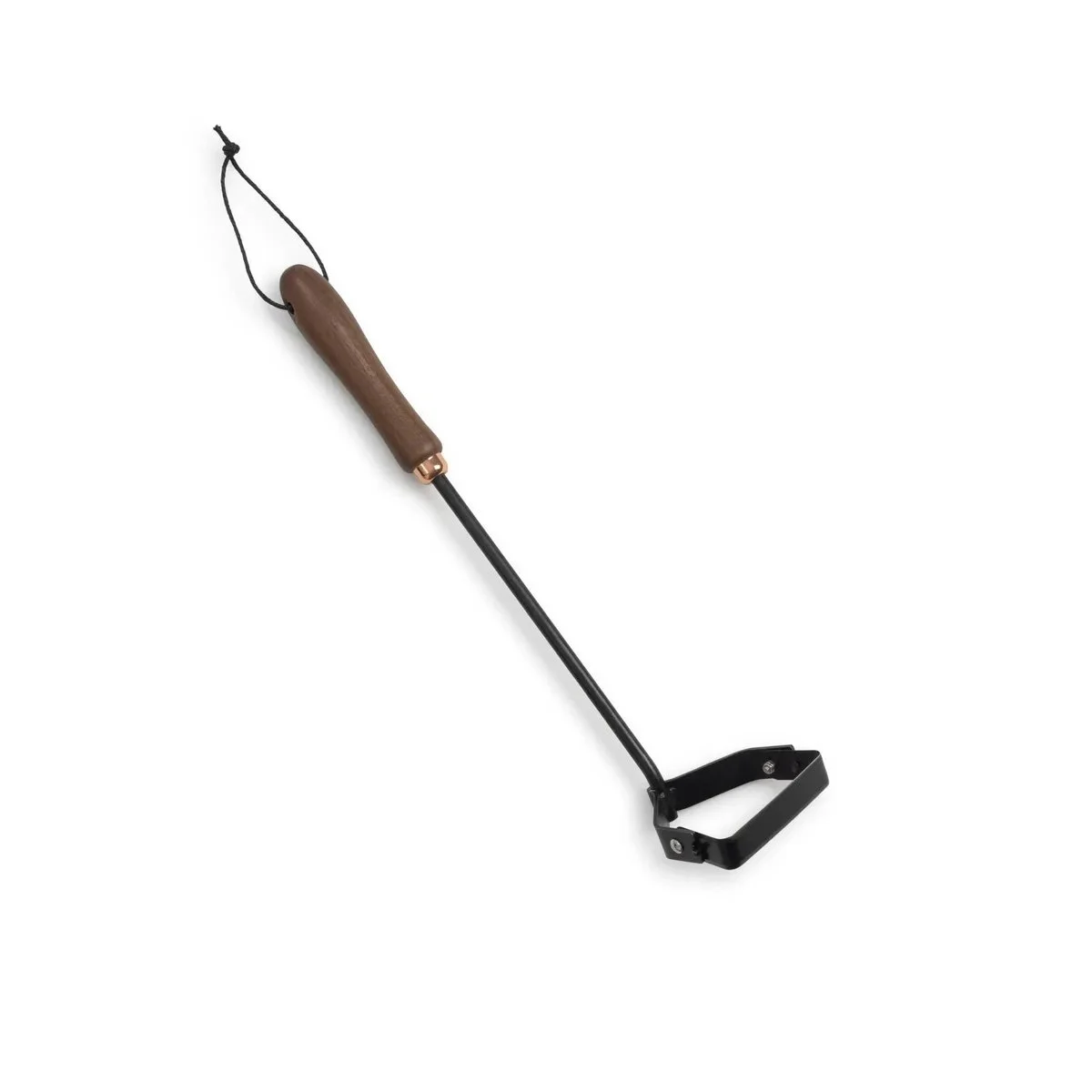
BEGINNER GARDENING SPOTLIGHT: Stirrup Hand Hoe by Barebones
Keeping on top of weeds is so important in July! This precision weeding tool is designed for home gardeners who want to eliminate weeds without disturbing their soil. It uses a wiggling action to slice through weed roots just below the surface, featuring a heat-treated stainless steel blade and a comfortable walnut handle.